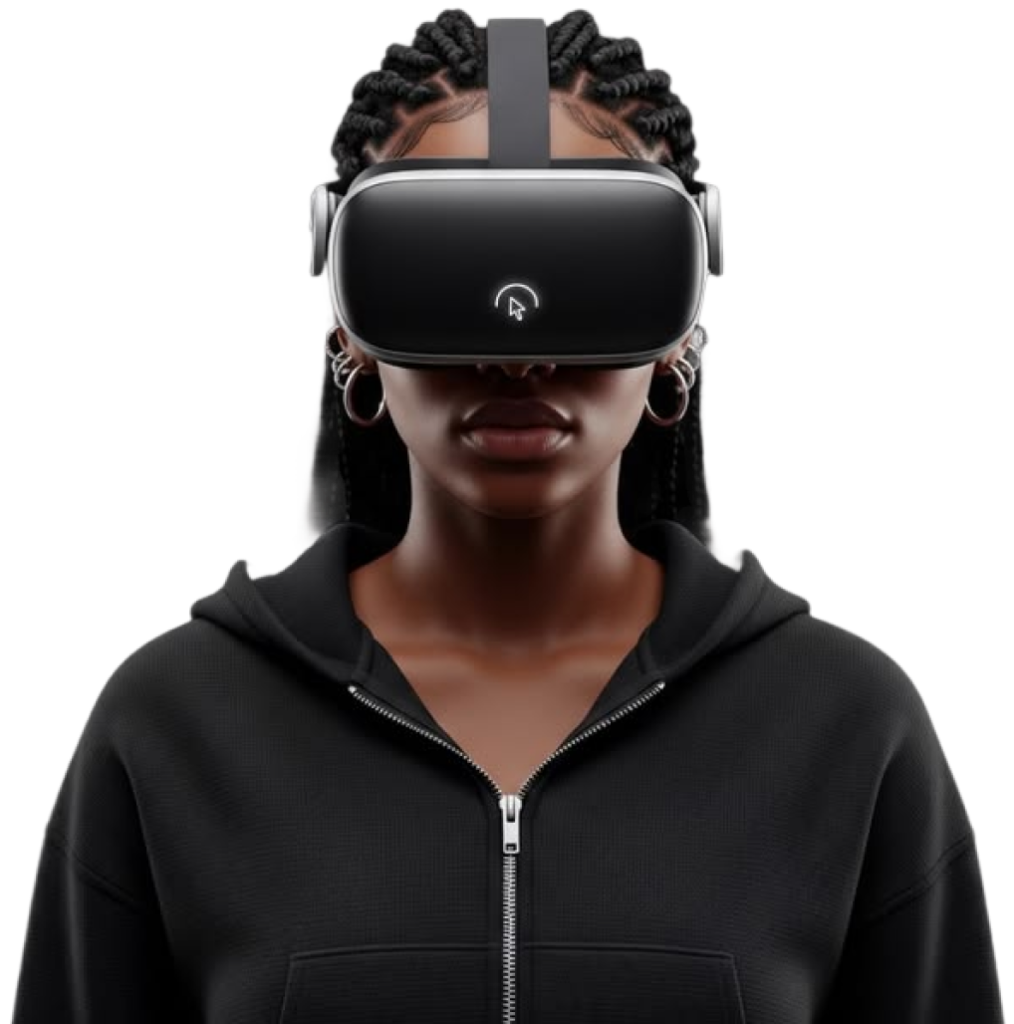
Virtual Reality replaces your surroundings with a fully simulated environment, so you experience a space, a procedure, or a scenario as if it were real, before it actually is. A hazardous task rehearsed with zero risk. A property walked through before a wall exists. A training scenario repeated until it holds up on the job. We build VR for any business, from training simulations to product walkthroughs to multi-user collaborative environments, adapted to how your operations run.
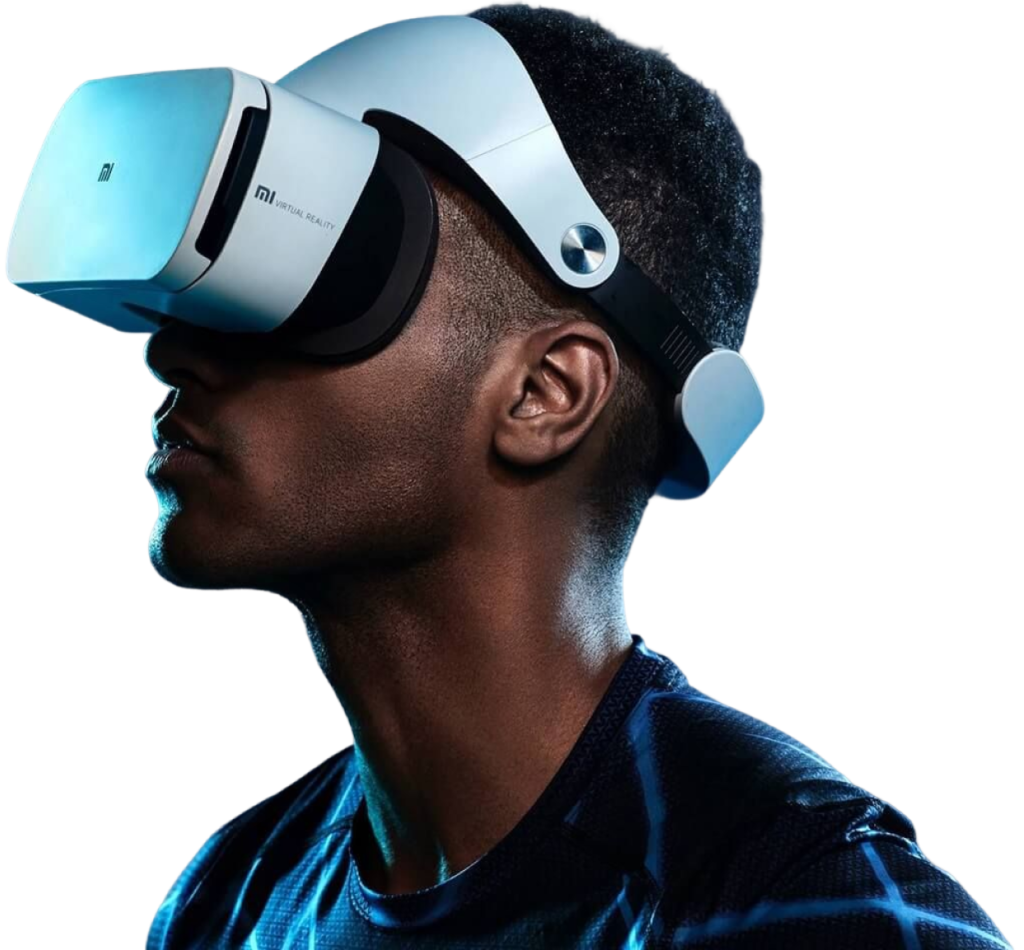


We produce the 3D assets, environments, animations, and spatial audio that make a VR experience feel real. Every asset is optimized for real-time rendering on your target hardware — because beautiful assets that tank the frame rate are worse than no assets at all.

Product design for VR is different from product design for screens. We define what the application does, how users move through it, what interactions are available, and how the experience maps to your business objective — before any 3D work begins.

VR UX is not screen UX. Spatial placement, movement-based interaction, legibility at distance, and comfort during extended use — these are the design problems we solve. A VR experience with bad UX doesn’t just frustrate users. It makes them nauseous.

We produce 3D models, animations, spatial UI elements, and visual overlays optimized for real-time AR rendering. Getting the visual fidelity right matters — but so does keeping it within the performance budget of the device your users will be holding. We balance both.

We build VR applications using Unity and Unreal Engine. Core functionality, interaction logic, system integrations, performance optimization, and device-specific tuning — all engineered for the hardware your users will actually be wearing.

Getting a VR application to your users is more complex than app store submission. Enterprise distribution, MDM solutions, device configuration, fleet management — we handle the deployment infrastructure so your rollout is smooth, whether it’s 10 devices or 10,000.
VR hardware and platform SDKs update regularly. An application that worked perfectly on last year’s firmware doesn’t automatically work on this year’s. We maintain your VR applications — OS compatibility, performance optimization, content updates, and feature additions — so the experience stays current.
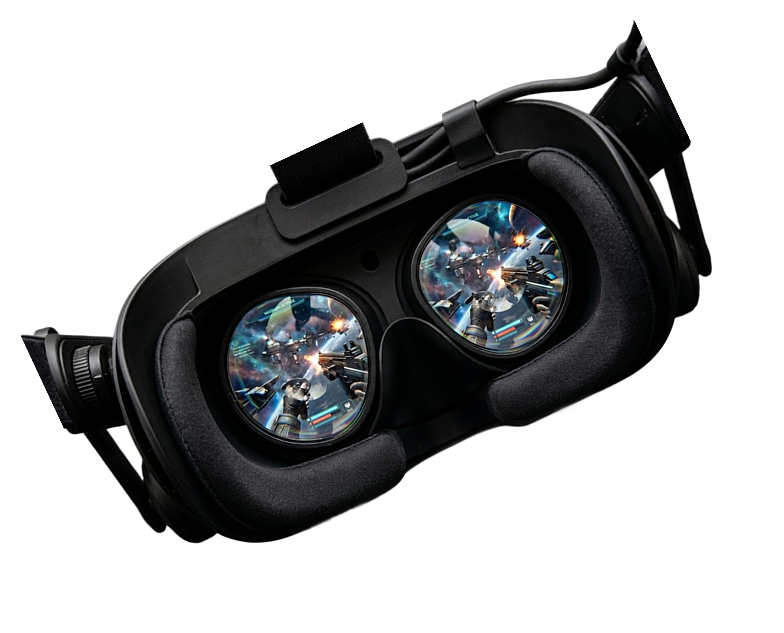
The gap between businesses using VR seriously and businesses still treating it as a future technology is closing fast. Training programs that used to require physical facilities can now be delivered on a headset. Product experiences that required a showroom can now happen anywhere. If your business has a use case that benefits from immersion, presence, or simulation — we can build it.
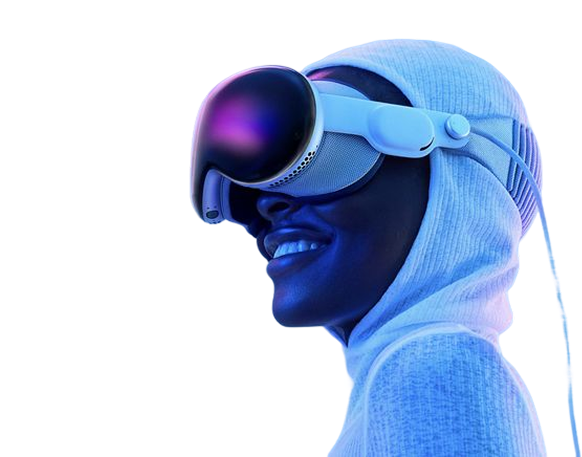
Flat digital experiences have a ceiling. VR removes it. Businesses that have deployed VR for training report faster skill acquisition and better retention. Real estate developers using VR walkthroughs close deals faster. If your business competes on experience — whether in sales, training, or customer engagement — VR gives you a lever that your competitors probably haven’t pulled yet.

We build production-ready VR solutions for complex enterprise use cases — not proof-of-concept demos that fall apart in a real environment. Healthcare training, industrial simulation, real estate visualization — we’ve built for demanding contexts and we know what it takes to deliver quality.

VR projects have a reputation for taking forever. We move fast in the early stages so you can validate your concept quickly — and we design for production from the start, so validation doesn’t mean starting over.

Strategy, product design, 3D content production, software engineering, QA, deployment, and post-launch support — all under one roof. You don’t need to coordinate between a design agency, a development studio, and a deployment team. We handle all of it.

Every asset, every line of code, every environment we build belongs to you. No licensing model that requires ongoing payments to us. No lock-in. Full ownership on delivery.
Every feature, every solution, built around what the businesses actually needed, earning 95% satisfaction across every industry we’ve served.


Frame rate drops in VR don’t just degrade the experience — they cause physical discomfort. We monitor and optimize your VR application continuously to maintain smooth, consistent performance across your deployed devices.
VR bugs don’t always appear in testing. We track live issues across your device fleet — rendering errors, interaction failures, tracking drift — and fix them before they affect your users at scale.
Business needs change. Training scenarios get updated. Products get refreshed. We update your VR content — new environments, revised interactions, updated assets — keeping the experience aligned with your current reality.
The VR hardware landscape moves fast. New headsets, updated SDKs, OS changes — we keep your application compatible so performance never drops because the platform moved on without it.
Most VR projects fail before development even starts, not enough clarity on what problem it’s actually solving. We define that first, then build and test in stages, on real hardware, with real users, before anything goes live.
We define the use case, the users, the hardware, and the success criteria before any production work begins. Skipping this is the most common and costly mistake in immersive tech — building first, defining purpose second.
System design for VR includes more than software — content pipeline, asset management, and device infrastructure all get planned before any 3D work begins.
Spatial UX is designed for how humans actually move and perceive in three dimensions — not adapted from flat screen patterns. Bad UX in VR doesn’t just frustrate users. It makes them physically uncomfortable.
We build in stages, with working builds available for review regularly. VR requires iteration — a spatial experience can’t be properly evaluated from a flat document or a screenshot.
VR QA is hands-on. Every interaction, every scene, every device configuration is tested by humans in headsets before delivery — not just verified on paper.
Managed rollout across your device fleet with full configuration and documentation — whether that’s 10 headsets or 10,000, the deployment infrastructure is handled so the rollout is smooth.
Post-launch usage data shapes what gets updated, refined, or expanded next. VR hardware and platforms move fast — what we learn after launch keeps the experience current.
We don’t pick technology because it is popular. We pick it because it is right for your project, your users, and your business goals.










Healthcare and medical training, industrial and safety training, real estate and architecture, education, retail and product visualization, and government simulation programs. If your industry involves training, visualization, or customer experience — VR likely has a strong use case.
We build for Meta Quest, HTC Vive, Pico, HoloLens, and custom enterprise hardware configurations. We also build WebVR experiences that work through a browser without a dedicated headset. Hardware selection depends on your use case, budget, and user context.
A focused VR application with defined scope typically takes 3 to 5 months. Larger environments with extensive content production take longer. We scope carefully before we commit.
Yes. VR training platforms can connect to LMS systems. VR product visualizations can pull from product databases. VR simulations can log results to analytics platforms. Integration requirements are identified during the architecture phase.
VR creates a fully immersive digital environment — the real world is replaced. AR overlays digital content onto the real world. The right choice depends on your use case. We’ll help you decide in the discovery phase — and sometimes the answer is both.
VR moves fast. The businesses building with it now are the ones that will have a head start in two years. Tell us your use case — we’ll tell you what’s possible.