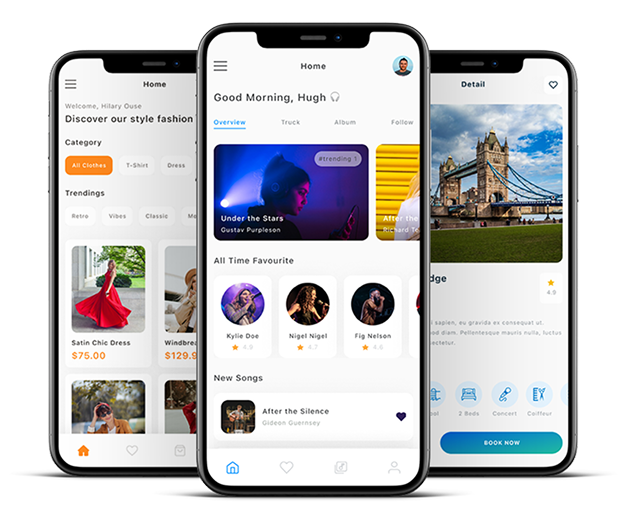
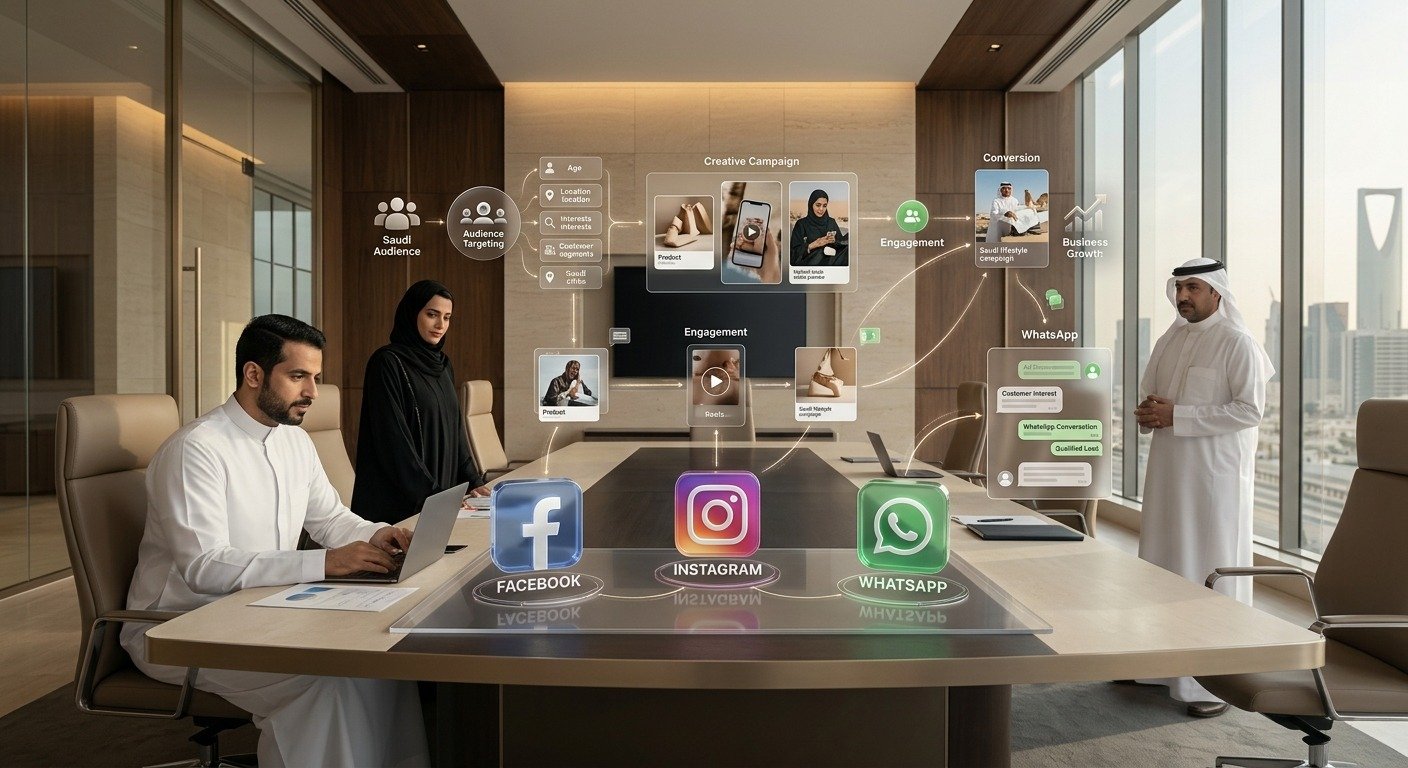
Your users are already on their phones. Whether they stay on your app depends on how well it’s built. We develop iOS and Android apps for businesses across the Saudi Arabia — reliable, fast, and designed around the way real people actually use their phones.
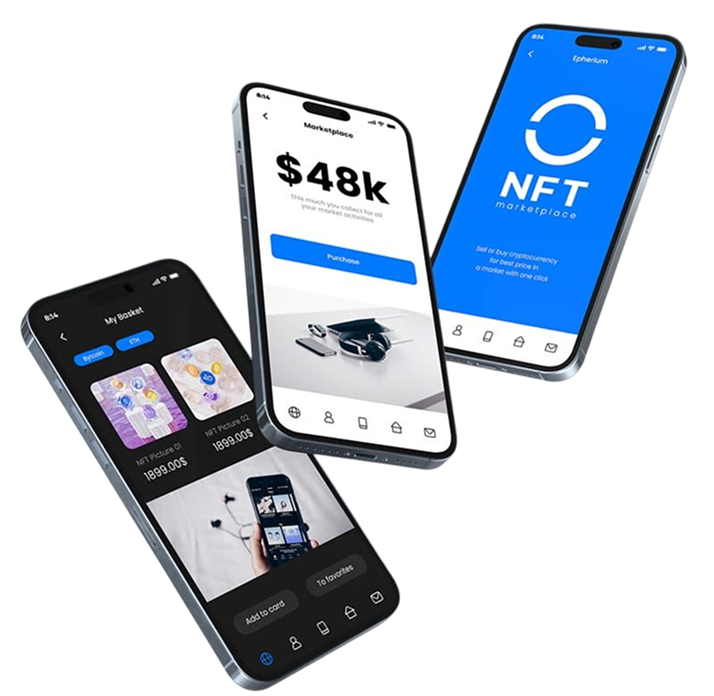


Android is the most widely used mobile platform on the planet — and that comes with real complexity. More manufacturers, more screen sizes, more versions of the OS running in the wild. We build Android apps in Kotlin and Java that hold up across all of it. Consistent performance, clean code, and zero tolerance for the kind of crashes that drive users to your competitor.

iPhone users are loyal — until an app gives them a reason not to be. A sluggish experience or a confusing interface doesn’t get forgiven; it gets uninstalled. We build native iOS apps in Swift that clear Apple’s review process, hit the ground running on day one, and feel exactly the way iPhone users expect an app to feel.

Two platforms, one codebase. React Native lets us build an app that runs on both iOS and Android without rebuilding everything twice. We’ve used this approach on apps that rank at the top of both stores. If your timeline and budget don’t allow for two separate builds, this is often the right answer.

Flutter gives us precise control over the UI across platforms without the usual trade-offs that come with cross-platform development. We use it when a business needs a polished, visually consistent interface delivered quickly, without starting from zero on each platform.

One codebase. Two platforms. Faster to market and cheaper to maintain over time. We help businesses reach both iOS and Android users without doubling the cost, and we don’t treat quality as the thing that gets sacrificed to make that happen.

Building a standalone game or adding game mechanics to your existing product? We design and develop mobile games using Unity and Unreal Engine. The measure of a good game is simple: people keep playing it. Every feature and mechanic we build is evaluated against that standard.
Most mobile apps don’t fail because of bad technology. They fail because nobody asked the hard questions before development started. Who is this for? How will they use it? Where will it break at scale?
We ask those questions first. We map your users, your flows, and your edge cases before writing a single line of code. Then we build with engineers who take ownership of the outcome, not just their assigned tickets.
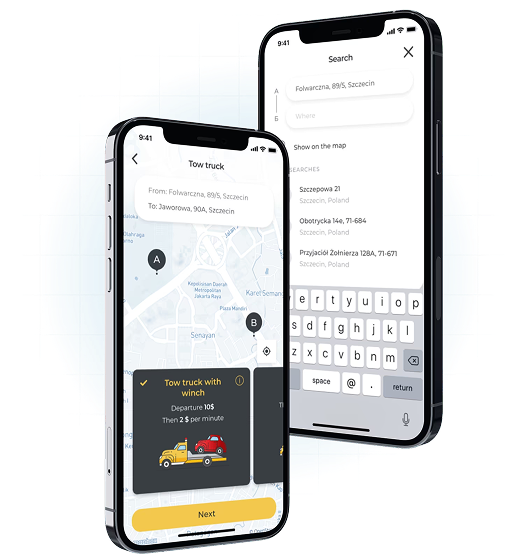
Businesses work with us because we get their app right the first time. Building it wrong and fixing it later costs more than doing it properly from the start. We build apps that work on launch day and keep working as your user base grows.
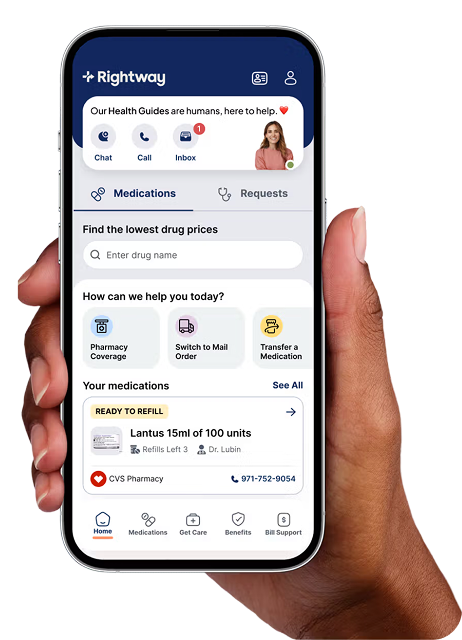

Your app doesn’t go to a junior team with a senior developer occasionally checking in. Every project at Etihad Falcon Tech is handled by engineers who have shipped real products, run into real problems, and know exactly where apps tend to fall apart under pressure.

We run focused development sprints with check-ins built into the process. You always know where things stand. If a requirement needs to change, we catch it early, not after it’s been baked into five other features.

We handle the whole thing: design, development, QA, launch, and ongoing support. One team, one point of accountability, no passing the project between vendors.
An app nobody can figure out doesn’t get used. We design for the person who will actually open this app for the first time, on a real phone, with no instructions. Intuitive from the first tap is the baseline, not the goal.
Every feature, every solution, built around what the businesses actually needed, earning 95% satisfaction across every industry we’ve served.


An app that nobody finds doesn’t grow. We work on your App Store and Google Play presence — keyword strategy, listing copy, screenshots, and review management — so the right users discover your app when they’re searching for exactly what you offer.
More users means more load. We monitor continuously and scale your infrastructure before users start experiencing problems, not after they’re already complaining in the reviews.
Version one is never the final version. Real user behavior tells you things no planning session can. We track how people use your app, identify what’s working and what isn’t, and build the features that will actually drive your business forward.
Threats don’t stay static and neither do regulations. We run regular security audits and compliance reviews so your app stays protected and stays compliant, without you having to think about it constantly.
Turning an idea into an app that actually scales takes more than good code, it takes a process that catches problems before they’re expensive. Here’s exactly how we do it.
We start by understanding your users, your business model, and where apps like yours typically fail. Everything built after this step is built on that foundation.
Before any code gets written, we design the system that will hold everything together — data flow, third-party integrations, infrastructure, and how it all scales when users show up.
We design for the person opening your app for the first time, on a real phone, with no instructions. Every screen is prototyped and tested before a single line of code touches it.
We build in sprints with working software delivered at every stage. You see the product taking shape in real time, not at the end of a long silence.
We test on real devices, not just emulators. Every build gets put through functional testing, performance testing, and edge case scenarios before it moves forward.
App store submission is its own process, and we’ve done it enough times to know where rejections come from. We handle everything — metadata, screenshots, compliance, review back-and-forth.
Version one ships. Then real users show you things no planning session could. We track behavior, identify what’s working and what isn’t, and build what actually moves the needle next.
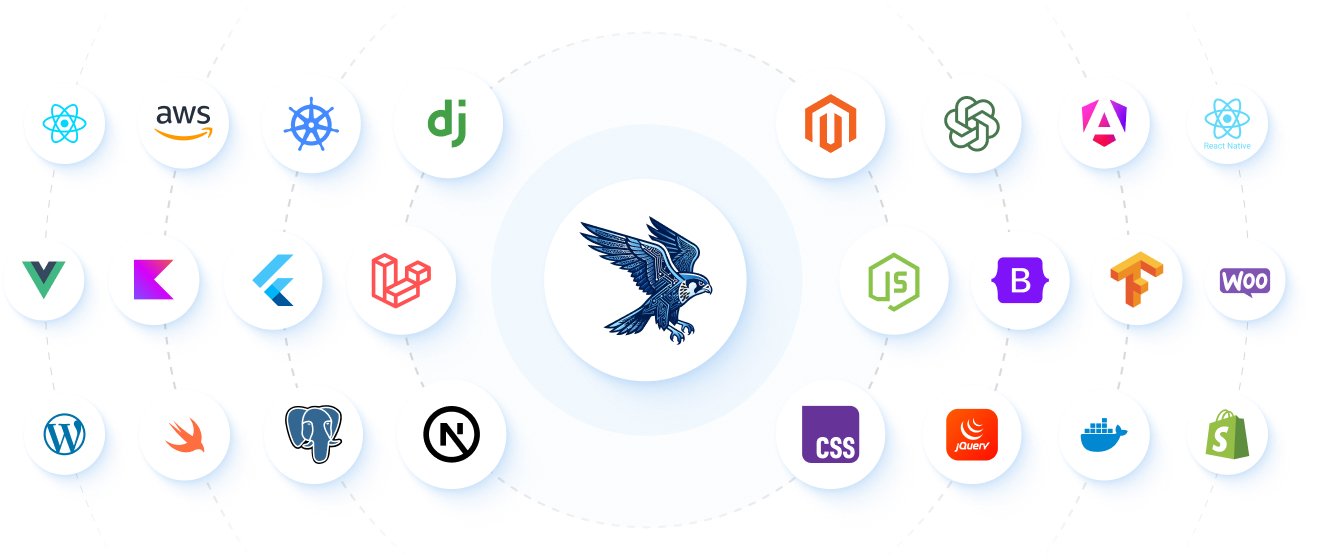
We don’t pick technology because it is popular. We pick it because it is right for your project, your users, and your business goals.









iOS, Android, and cross-platform through React Native and Flutter. The right answer depends on your users, your timeline, and what you’re trying to accomplish. We’ll give you a direct recommendation early in the conversation, before you commit to anything.
For a well-defined app with a focused scope, three to five months is a reasonable range. Larger projects with complex backend systems, enterprise integrations, or a lot of moving parts will take longer. We give you a timeline we can actually hit, not one we think you want to hear.
Yes, start to finish. That includes review compliance, metadata, screenshots, and handling any back-and-forth with Apple or Google during the review process. Rejections from poor preparation are avoidable, and we avoid them.
Post-launch support is part of every engagement. If something breaks, we’re on it. Our monitoring setup means we’re usually looking at an issue before you’ve even noticed it.
Yes. Whether it’s a performance issue, an outdated interface, or a feature that’s technically working but not really doing its job, we’ll audit what you have and tell you honestly what needs to change. We won’t recommend a full rebuild when a targeted fix is all that’s needed.
Standard practice. Every client relationship starts with a confidentiality agreement. Your project details stay with us.
Scope first, price second. We agree on exactly what’s being built before we agree on what it costs. If requirements change during the project, we handle that transparently with no surprise charges at the end.
Tell us about your app. We’ll tell you what it’s going to take to build it the right way.