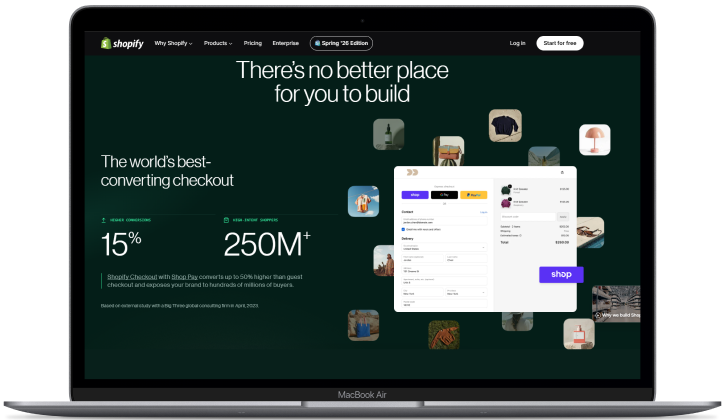
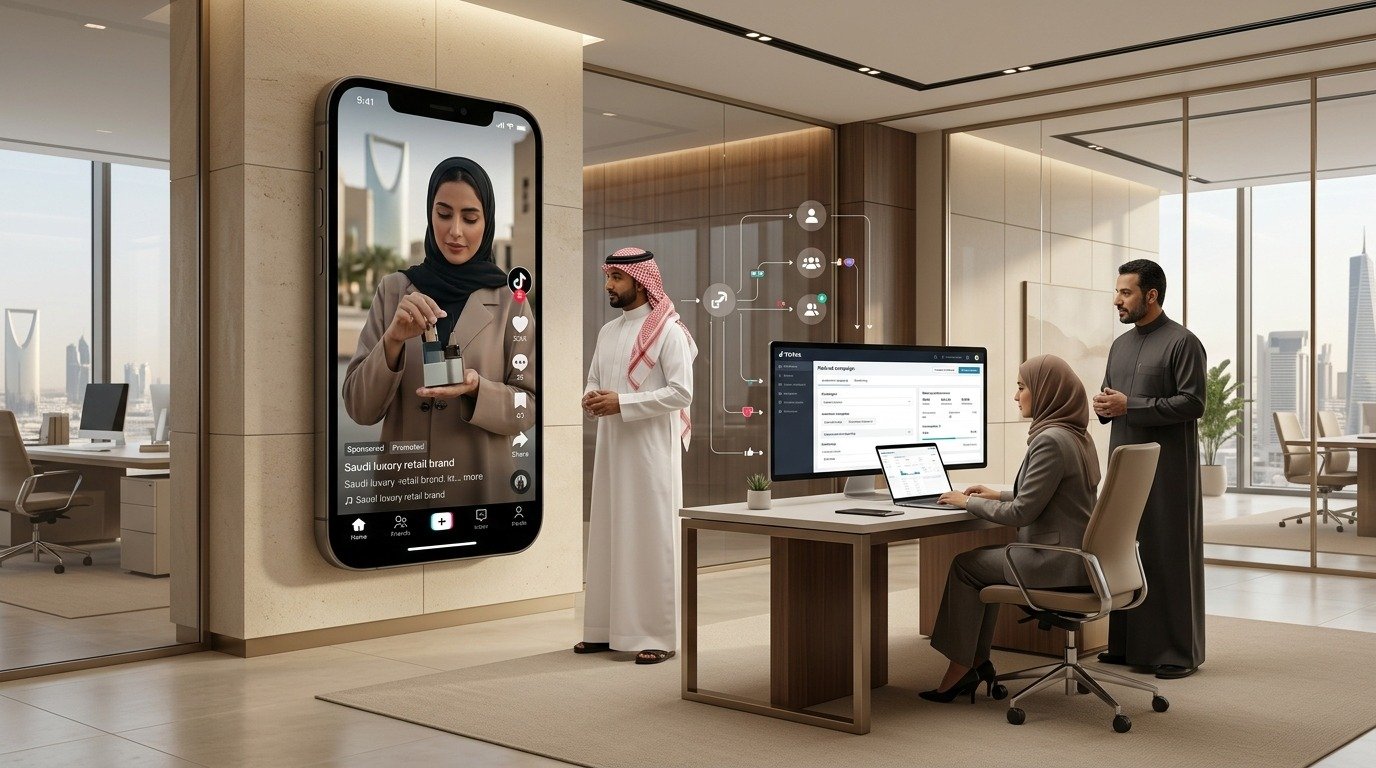
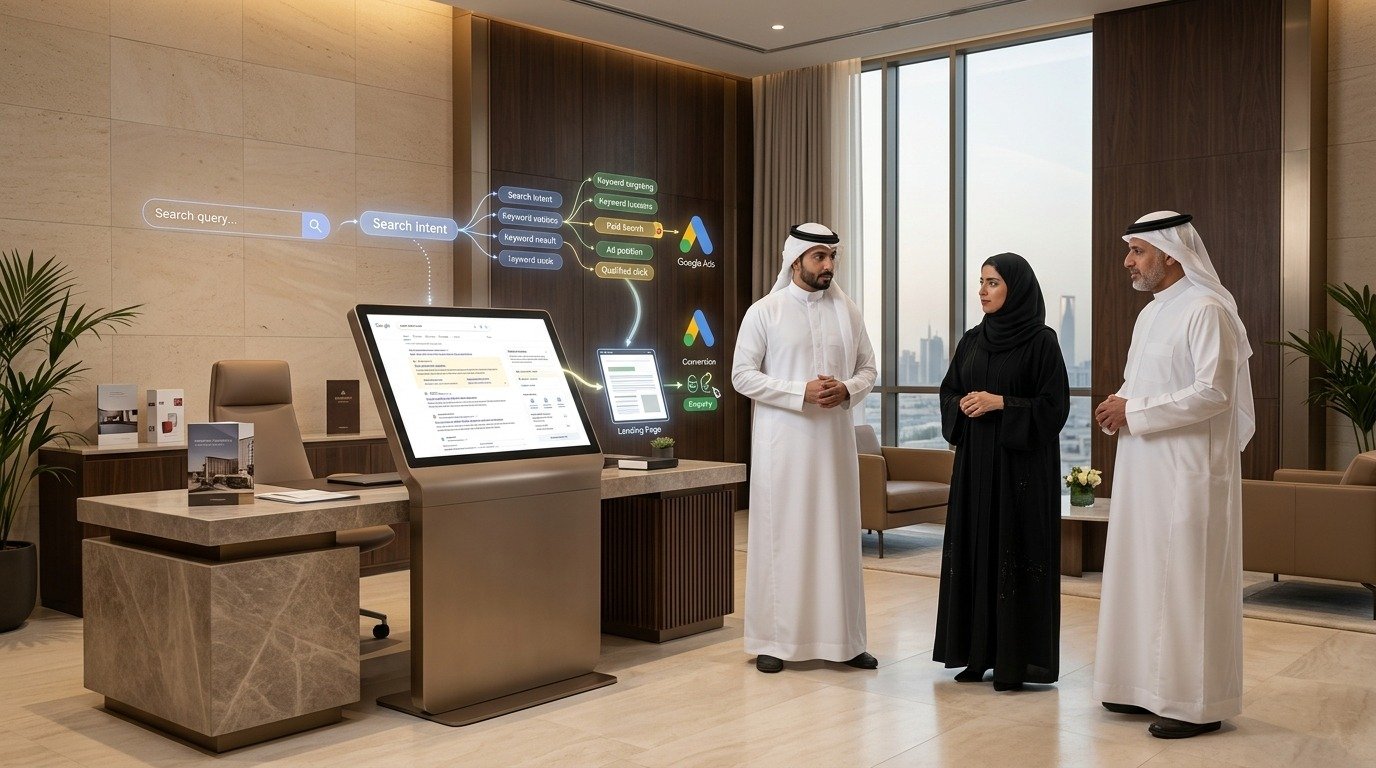
A Shopify store that looks good and does not convert is not doing its job. Saudi shoppers expect Mada at checkout, Arabic that reads right to left, and a page that loads fast on a phone. Miss any of that and they leave before they buy. We build Shopify stores for Saudi businesses that are set up to sell from day one, not stores that need six months of fixes after launch.
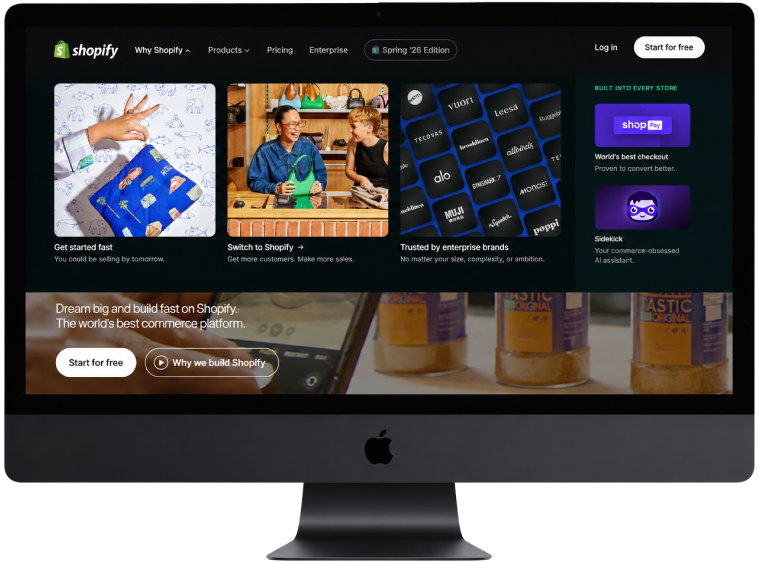


From custom theme design to Mada, Tamara, and local shipping API integrations, we build Shopify stores that convert visitors into buyers.
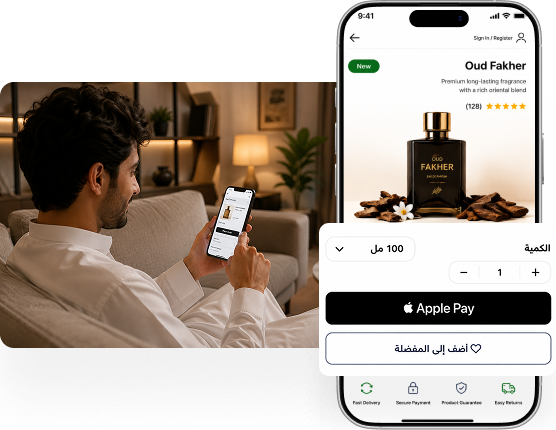
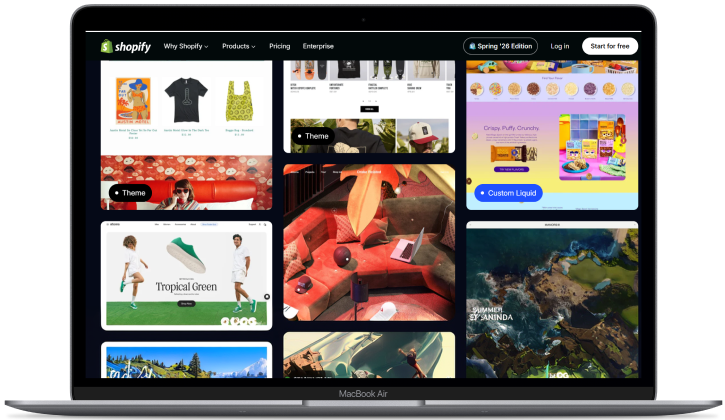
The product page reads right to left in Arabic, built for how Saudi shoppers actually browse on mobile.
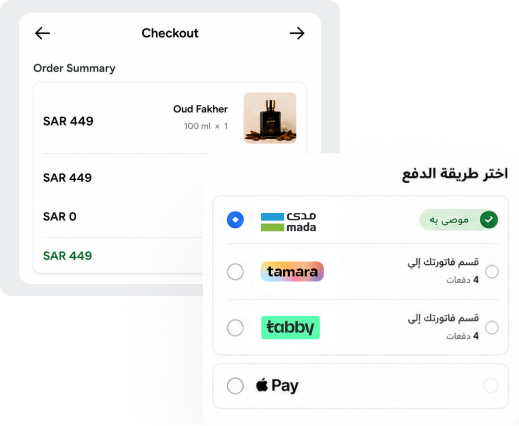
A single-step Arabic checkout with Mada and Tamara built in, so customers pay without extra steps or delays.
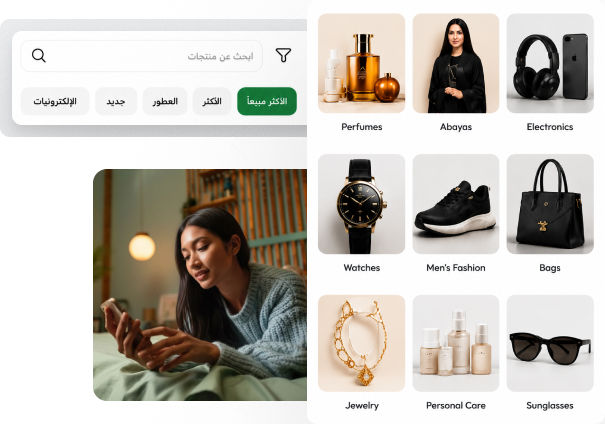
A product grid filtered by category, built to match how customers browse across fashion, beauty, electronics, home goods, and more.
Every Shopify store we build meets KSA regulatory and data residency requirements at checkout, in payment processing, and in how your data is stored.
We build ZATCA Phase 2 e-invoicing into your Shopify checkout, generating compliant XML for every order automatically.
Customer and order data stays in Saudi Arabia, hosted on STC Cloud, Alibaba Cloud KSA, or Oracle Cloud Riyadh.
Two-way sync with Odoo, SAP, Oracle, and Salesforce keeps your inventory, orders, and customer records aligned.

Shopify Payments does not work for Saudi merchants, so getting a store ready to sell here takes more than switching on the default settings. We configure your store from the ground up, currency, tax rules, shipping zones, and a payment stack built for how Saudi customers actually pay.

A store built on a stock theme looks like every other store on Shopify. We design and build custom themes around your brand, your product catalog, and how your specific customers shop, then code them clean so the store stays fast as you add products.

Mada is the card most of your customers are actually holding. We integrate it through certified gateways like HyperPay, Moyasar, PayTabs, or Tap, alongside Apple Pay and Tabby or Tamara for buy now pay later, so your checkout does not lose sales to a missing payment option.

Once a business outgrows a standard Shopify plan, the requirements change. Custom checkout scripts, B2B wholesale portals, multi-storefront setups, and deeper ERP or CRM connections. We build on Shopify Plus for merchants that need that level of control.

Arabic on a Shopify store is not a translation plugin. It is a right to left layout, mirrored navigation, and product pages that read correctly from the first click. We build true bilingual stores, Arabic first with English available through a language switcher, not the other way around.

Shopify’s app ecosystem covers a lot, but not everything a Saudi store needs out of the box. We integrate the apps that fit your operation, loyalty, subscriptions, local shipping calculators, and where nothing off the shelf works, we build a custom app instead.

Moving from WooCommerce, Salla, Zid, or a custom platform carries risk if it is not handled properly. We migrate your products, customer data, and order history without losing your search rankings or your existing customer accounts.

An online store selling in Saudi Arabia needs invoices that meet ZATCA’s Fatoora requirements. We set up ZATCA-compliant e-invoicing on your Shopify store as part of the build, not as a separate project you have to find someone else for later.
Saudi ecommerce is growing fast, and the businesses winning in it are the ones whose checkout feels local. Not the ones with the biggest product catalog, the ones where a customer can pay with Mada, read the product page in Arabic, and trust the store enough to complete the order. That is what we build.
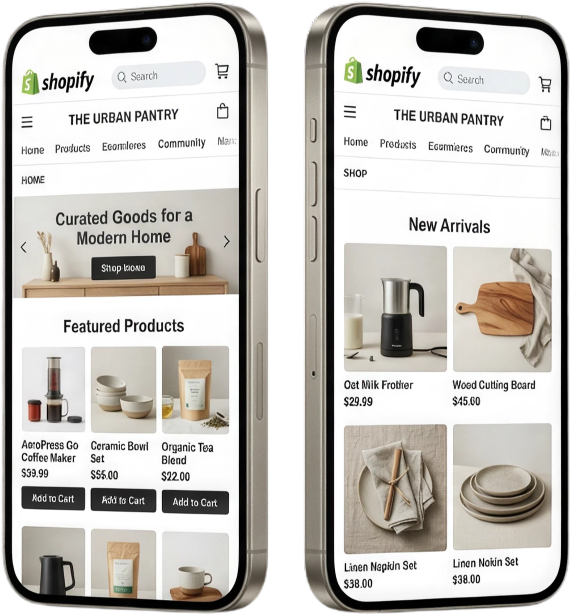
As a Shopify development company working across Saudi Arabia, we build stores for businesses that want the flexibility of Shopify with a checkout that actually fits the local market, not an international template with a currency switched to SAR. Every store we build is designed to sell here, first.

We do not treat Mada, Apple Pay, and Tabby as add-ons. Local payment coverage is part of how we scope every Shopify project, because a store without it loses a large share of Saudi buyers before they finish checkout.

We build in focused stages and show you a working store as it comes together, not a single reveal at the end. You give feedback while it is still easy to change.

Design, development, payment integration, ZATCA setup, and launch, one team, full responsibility. You are not coordinating a theme designer, a payment gateway provider, and a tax consultant separately.

The store we launch today should not need a rebuild when your order volume triples. We architect for growth from the first product upload, so scaling up does not mean starting over.
Every feature, every solution, built around what the businesses actually needed, earning 95% satisfaction across every industry we’ve served.


A store that launches well can still lose customers at checkout over time. We review your funnel, test changes, and fix the specific points where Saudi customers are dropping off.
A slow store loses mobile buyers fast, and most of your traffic is mobile. We monitor load times and fix performance issues before they start affecting sales.
White Friday, Ramadan, and National Day sales bring traffic spikes that a normal week does not prepare a store for. We plan and support your store through the periods that matter most to your revenue.
Shopify updates, apps update, and payment gateways change their requirements. We keep your store current so nothing breaks quietly in the background.
A Shopify store that performs here is not a default setup with a local payment app installed. We plan for the Saudi checkout, the Arabic experience, and the compliance requirements from the first stage, not as fixes after launch.
We understand your products, your target customer, and how they currently shop, on Salla, Zid, Instagram, or elsewhere, before we touch the store build.
Theme selection, app requirements, payment gateway choice, and tax setup, decided before development starts so the build does not stall on a decision made too late.
Every page is designed for how Saudi customers actually browse and buy, mobile first, with Arabic RTL built in from the first screen, not adjusted afterward.
We build the theme, connect the apps, and configure the backend in focused stages, with a working store you can review at each point.
Every payment method, every shipping rule, and every device gets tested before your customers see the store, on a shared staging link so you can review it yourself.
We manage the go live carefully, domain setup, data migration if needed, and a monitored launch window, so the switch to a live store does not disrupt sales you already have.
After launch, we track how customers are actually using the store and refine based on real data, not assumptions made before launch.
We don’t pick technology because it is popular. We pick it because it is right for your project, your users, and your business goals.










No. Shopify Payments is not available for Saudi-registered merchants, so Mada has to be added through a certified gateway such as HyperPay, Moyasar, PayTabs, or Tap. We handle this setup as part of every Shopify project we build in Saudi Arabia.
It depends on your business. Salla and Zid are built specifically for the Saudi market and are often faster to launch on. Shopify offers more design flexibility, a larger app ecosystem, and better support for scaling internationally. We will tell you honestly which one fits your situation.
Yes. We migrate your products, customer accounts, and order history to Shopify without losing your existing SEO rankings, and we test the new store thoroughly before your old one goes offline.
Yes. Every Shopify store we build includes full Arabic RTL support, right to left layout, Arabic typography, and a smooth switch between Arabic and English, not a translated version of an English store.
We set up ZATCA-compliant e-invoicing as part of the store build. Your specific compliance obligations depend on your registered taxpayer wave, so we recommend confirming details with a qualified Saudi tax advisor alongside the technical setup.
A standard store with a custom theme and local payment integration typically takes 4 to 8 weeks. A Shopify Plus build with B2B functionality or complex integrations takes longer. We give you a real timeline once we understand your scope.
Yes. We integrate SMSA Express, Aramex, Naqel, and Saudi Post, with real-time shipping rates and tracking, so your customers see accurate delivery information at checkout.
You do. All scenario content, 3D assets, software, and data belong to your organization on project completion. No ongoing licensing fees unless you choose our support and maintenance service.
Your Shopify store should convert Saudi customers, not lose them at checkout. Tell us what you are selling, we will build the store that sells it.